
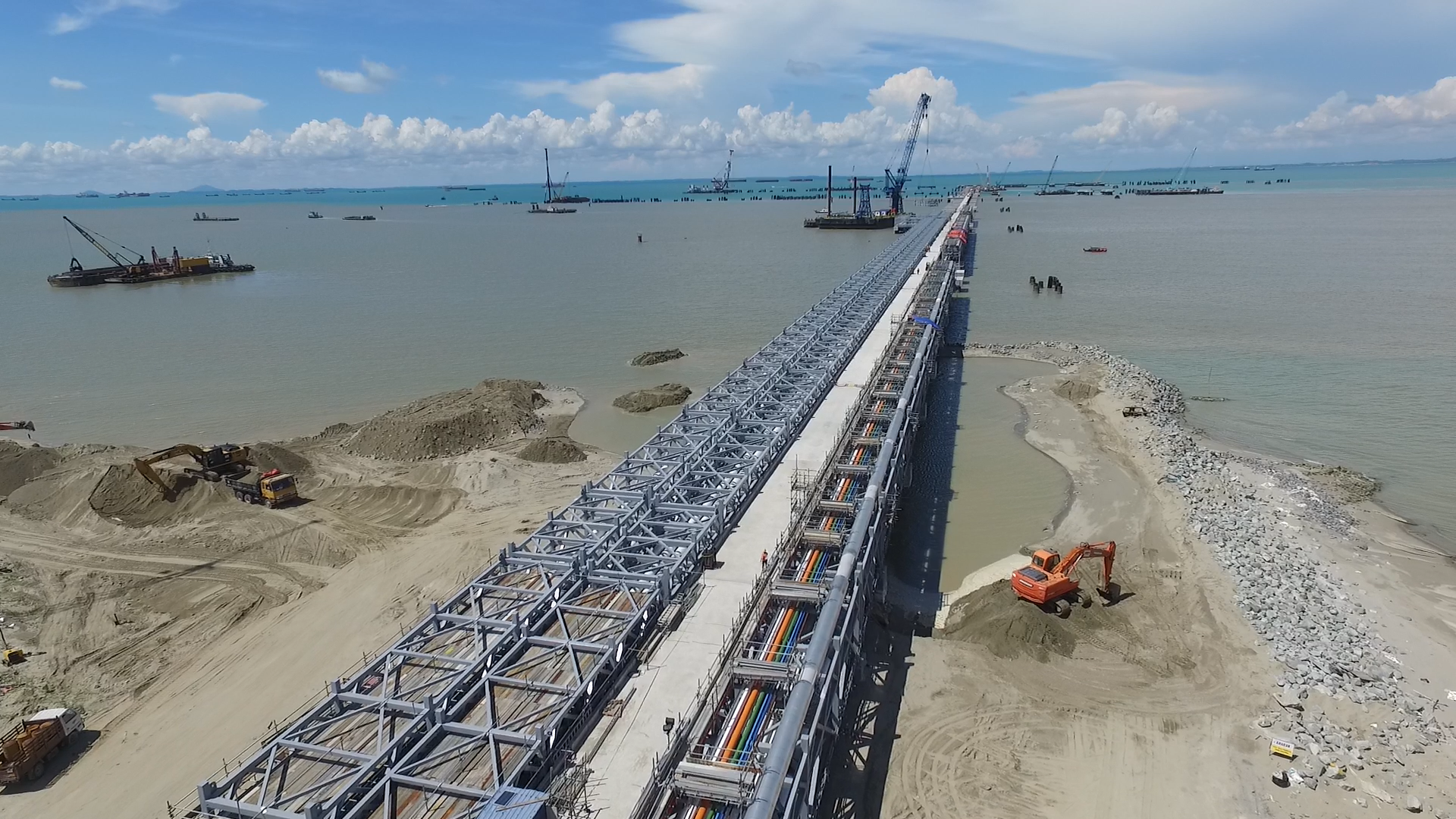
In the petrochemical industry, the construction of steel structures—such as pipe racks, equipment frames, and industrial warehouses—often faces constraints like limited site space, tight schedules, and extremely high safety standards.
How can massive steel structures be transported efficiently, systematically, and safely from the factory to the construction site? Scientific drawing preparation, coordinated material procurement planning, task allocation and management for fabrication teams, packaging, numbering, and transportation strategies are crucial. Success hinges on adhering to the site-specific construction schedule by dividing the entire project into individual units, modules, and axes for comprehensive planning.
Such projects typically involve three structural types: pipe racks, equipment installations, and warehouses. Therefore, we coordinate planning to ensure smooth on-site construction, preventing idle labor and machinery downtime.
1. The five principal parties responsible for the project communicate the overall project plan and arrangements;
The five principal parties responsible for the project include the owner, design institute, supervision unit, on-site project department, and supplier. The owner leads the meeting where all parties focus on communicating and confirming the overall construction and installation plan.
The steel structure supplier shall decompose relevant construction requirements and schedules based on meeting outcomes or client specifications. They shall finalize the design drawings for steel structures and accessories, material procurement, production processing and packaging, and individual component delivery schedules.
2. Divide by axis or layer based on site construction plans and actual conditions;
2.1. Utility Tunnel Structures
Typically steel frameworks supporting pipelines for transporting petroleum, natural gas, or other chemical compounds. Height varies between 2-3 stories, with axis spacing ranging from 6-10 meters, positioned along factory roadsides.
Structural Characteristics: Long total length, short axis spans, proximity to traffic routes, lightweight construction, tight schedule requirements without disrupting plant traffic.
Modularization Recommendations: To optimize construction efficiency and minimize frequent machinery relocation, reference the crane’s operational range on-site. Typically, pipeline gallery structures are divided into modules of 8-10 axes each.
2.2 Equipment Installation Structures
These structures typically comprise auxiliary equipment frameworks in petrochemical plants, where raw materials like petroleum or semi-finished products undergo chemical synthesis or reactions with additives within the equipment.
Structural Characteristics: Generally characterized by significant width, length, and height. Conventional installation proceeds layer-by-layer, with steel columns, beams, and floor decking installed sequentially. Limited space near or around the installation site prevents full stacking of all steel components.
Modularization Recommendation: To enhance construction efficiency, minimize frequent machinery movement, and reduce secondary handling based on site conditions, supply steel columns by layer. For example, define columns of 2 or 3 stories in height as a single module for centralized production and delivery.
3. Coordinated Arrangement for Steel Structure and Ancillary Component Fabrication Plants
Based on the project’s overall individual components and module requirements, classify all items by recommended sub-modules as outlined in Item 2, organized by axis lines and modules, to establish a comprehensive production management model.
Communicate the allocation plan to the Engineering Department to facilitate secondary design and technical briefing based on the sub-module approach;
Communicate the allocation plan to the Procurement Department to enable material procurement and inventory management organized by sub-module or groups of modules;
Communicate the allocation plan to the Production Department to organize manufacturing, packaging, and warehousing by sub-module;
Finally, supply steel structures and ancillary components to the site according to the allocation plan and on-site requirements, organized by sub-module, ensuring efficient, orderly, and safe construction operations.
We not only provide high-quality steel structure products and ancillary components, but also deeply understand the overall logic of the petrochemical industry—including stringent logistics schedules, safety protocols, and sequential planning. From the initial design phase, we begin considering how to structure projects around modular design, procurement, production, packaging, transportation, and supply. This approach saves you every unnecessary expense while reducing on-site costs, project timelines, and safety risks.
Choose our company for comprehensive turnkey solutions.
Unsure how to proceed? Contact us for complimentary structural steel building proposals, preliminary layout drawings, and cost estimates.
Author: Don
WhatsApp: +86 15192180038